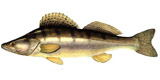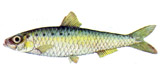
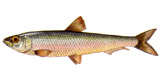
 Schools in the coastal waters from inshore to edge of shelf. Prefers clear water with salt in minimum temperatures below 24°C. Juveniles tend to stay in nursery areas, but on maturity rejoin adult stocks offshore. Strongly migratory, often rising to surface at night and dispersing. Feeds mainly on zooplankton, especially copepods. Juveniles take phytoplankton. Breeds perhaps throughout the year, but with distinct peaks. In some areas there are two main spawning periods.
- Trim: HGT (Headed, Gutted, Tail off)
- Freezing: ship frozen / land factory frozen